
The Evolution of the Hardwood: Chasing Greatness in a Softer Era



CLICK PHOTO FOR ORIGINAL POST!
The conversations surrounding professional basketball have reached a fever pitch, fueled by viral moments, shifting media coverage, and the sudden mainstream spotlight hitting the WNBA. But to truly understand the current climate of the sport, we have to strip away the manufactured social media drama and look objectively at the contrast between eras, the physical realities of the game, and who is actually putting the sport first.
The Contrast of Eras: A Softer Game
CLICK IMAGE FOR ORIGINAL POST!
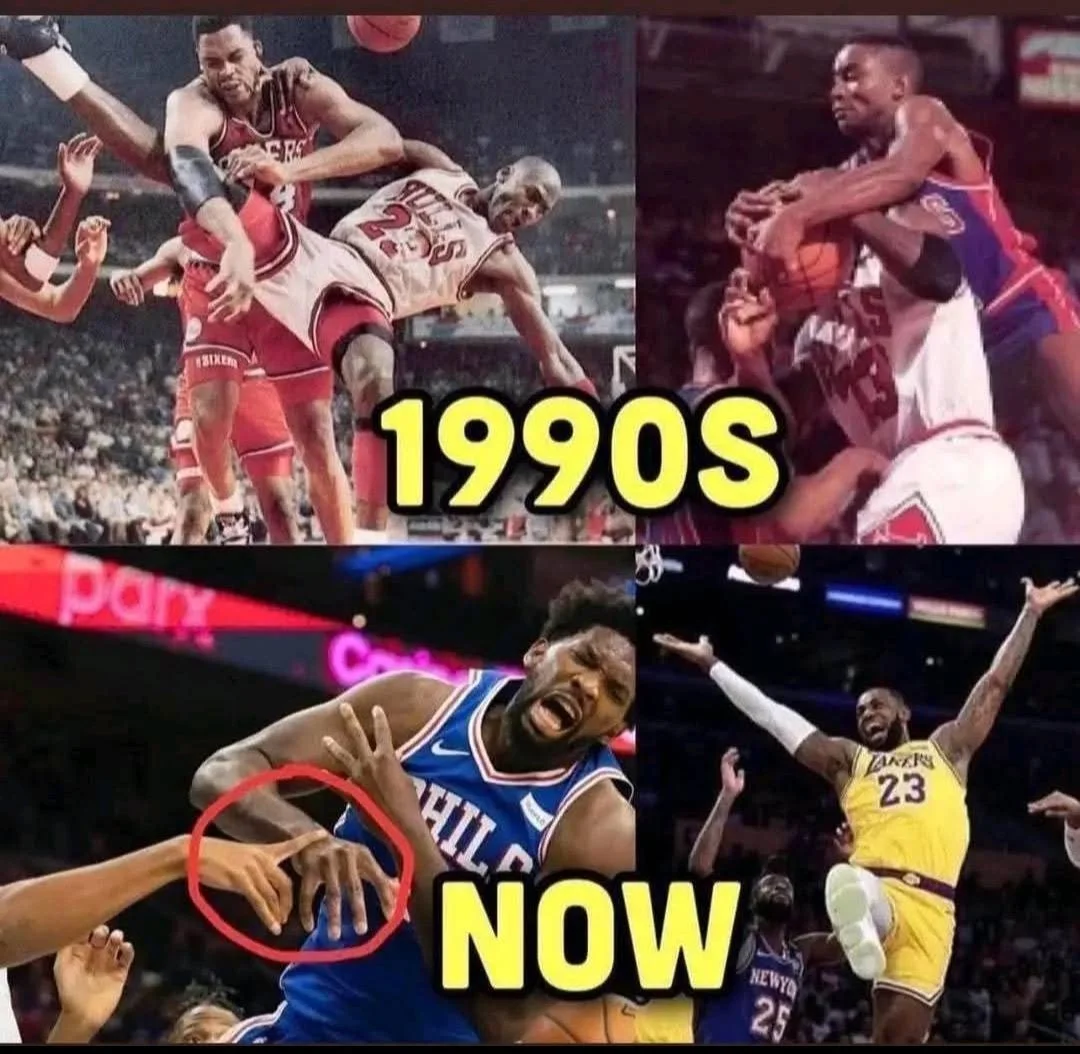
If we want to have an honest conversation about greatness, we must acknowledge the men who paved the way in the 1980s and '90s. Basketball during that era was not for the weak. It was a fiercely physical, unforgiving sport that demanded a level of mental and physical toughness that is rarely seen today.
You cannot seamlessly compare the legends of the past to the players of today because the fundamental rules and pacing have drastically shifted. Much like modern football, today’s basketball has become undeniably softer. The physicality has been legislated out of the game to favor high-scoring entertainment. Yet, in a glaring irony of the modern sports era, today's athletes—despite "load management" and a lack of physical contact—seem to suffer far more injuries than the enforcers of the past. We have to evaluate today's players by the standard of what the game has become, not what it used to be.
The Reality of the Men's vs. Women's Dynamics
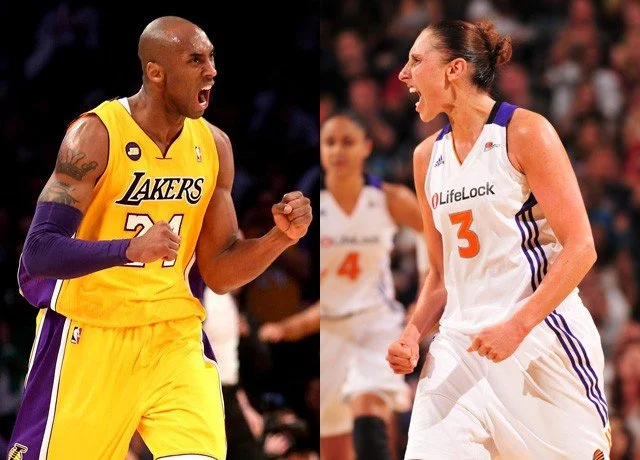
As the spotlight shifts toward the WNBA, the comparisons between the men's and women's games are inevitable. For decades, the WNBA struggled to gain commercial traction, media love, or the massive financial investments that the NBA commands. The NBA has always operated with the majority of the money, driven by the sheer physical dominance and high-flying athleticism inherently built into the men's game.
The style of play between the two leagues is a stark contrast. While the WNBA is finally seeing a surge in commercial interest, the fundamental dynamics remain profoundly different. The investments are finally arriving, but the product must be judged on its own merits and realities.
Dedication vs. The Brand
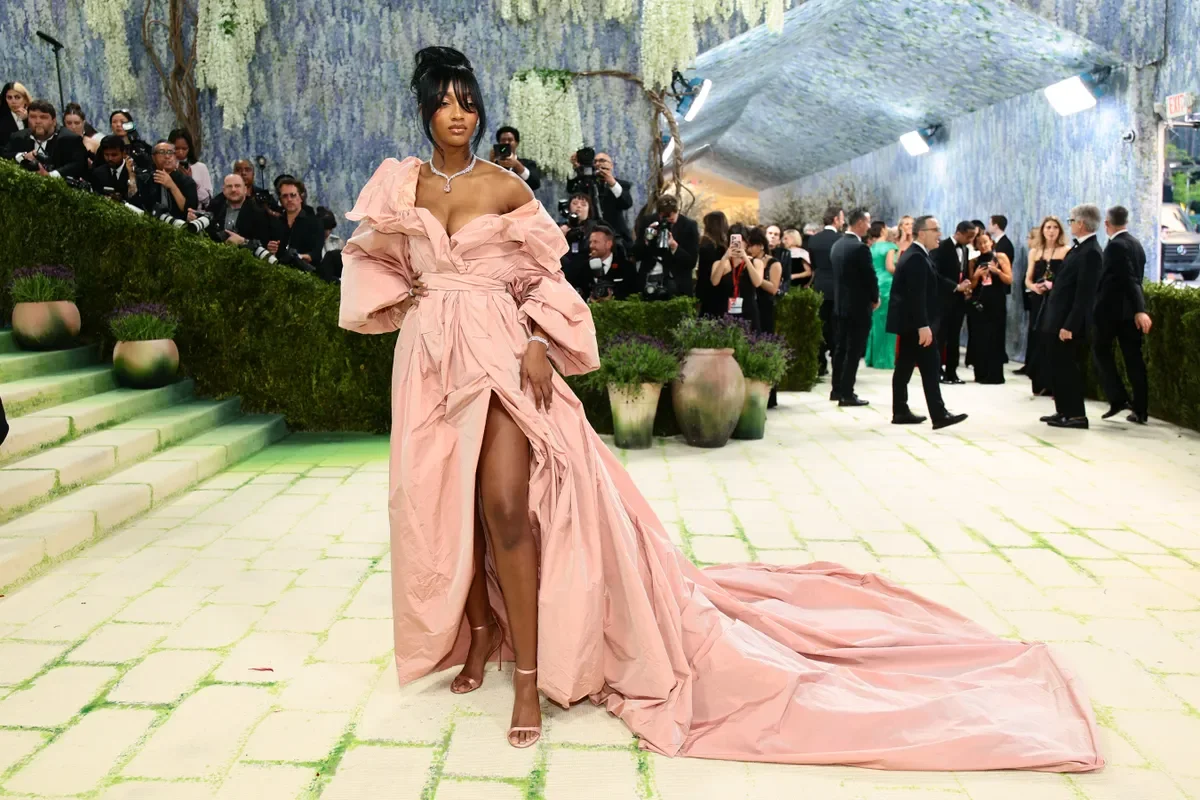
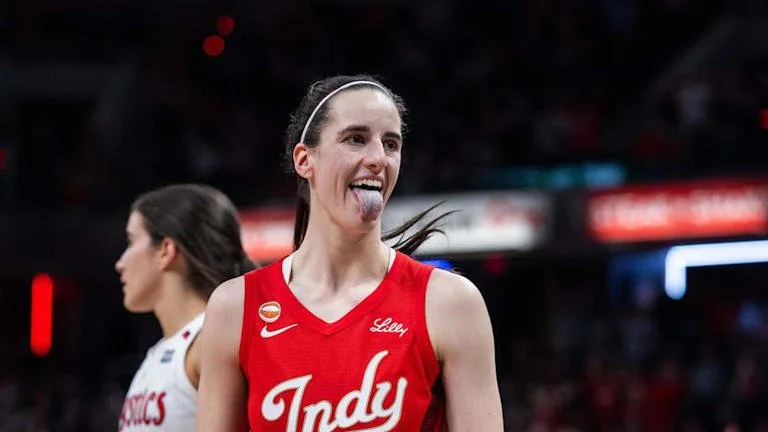
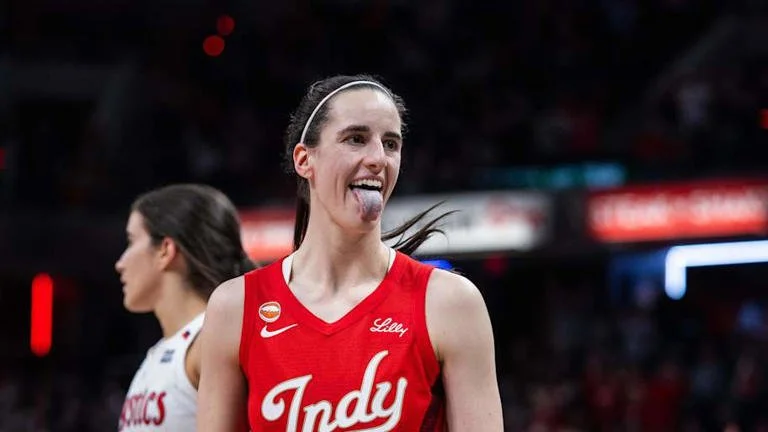
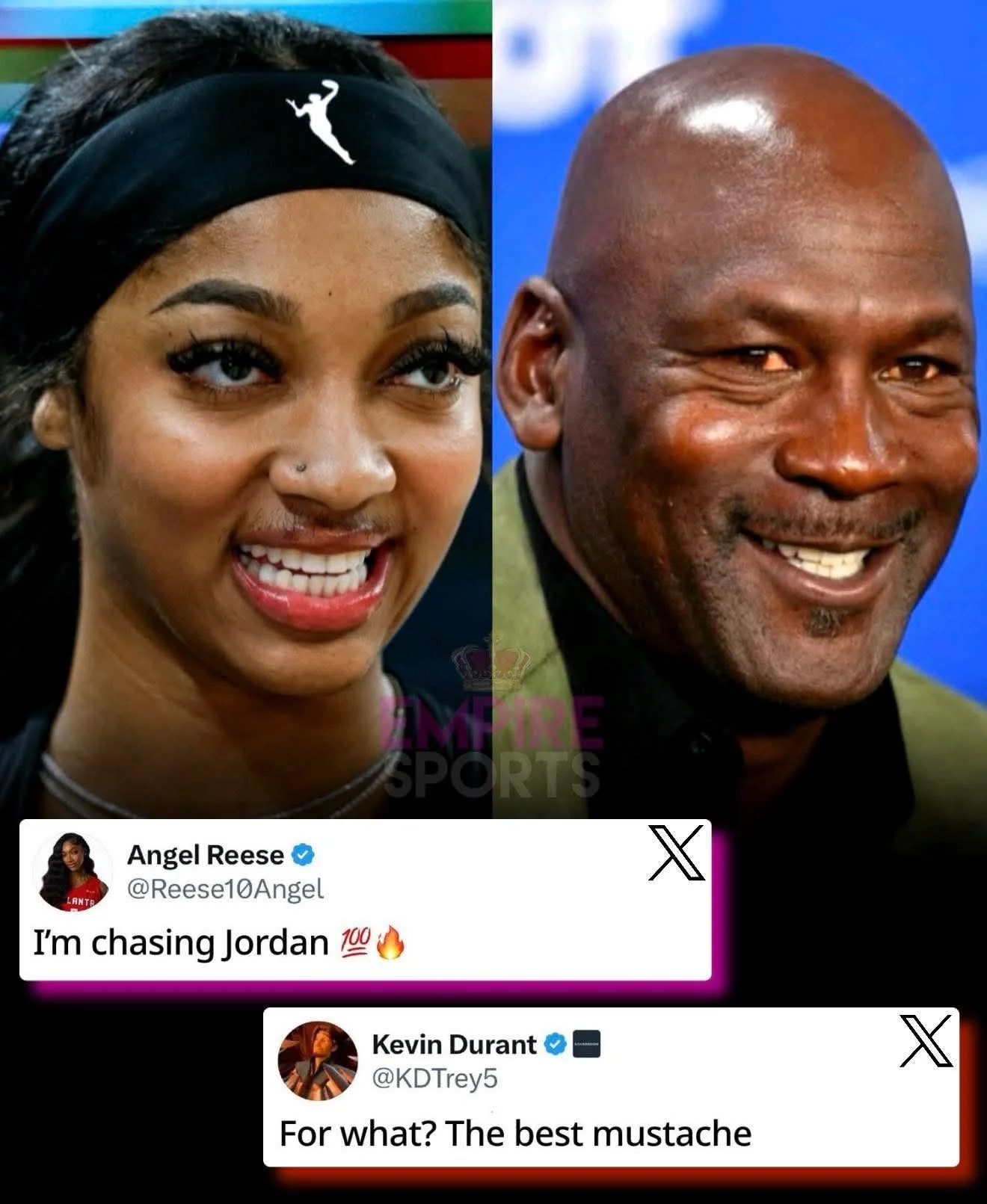
When we talk about "chasing Jordan"—the pursuit of undisputed greatness—there is currently only one woman genuinely carrying that torch: Caitlin Clark. Her singular dedication to the love of basketball is what separates her from the pack. She is focused entirely on the game, and that relentless drive is why she continues to elevate the sport.
Conversely, the media often heavily promotes players like Angel Reese, despite glaring inconsistencies on the court. When you review the tape—watching her struggle with fundamental layups or failing to convert at the rim multiple times—it becomes difficult to validate the superstar hype. There is a concerning trend in modern sports where prioritizing the "baddie" aesthetic and building a social media brand takes precedence over fundamental basketball development.
The window of opportunity in professional sports is incredibly short. Wasting that finite time prioritizing aesthetics over athletics is a massive misstep. Ultimately, dedication outlasts virality. Players who respect the game and prioritize their on-court product—like Clark—will consistently outshine those who treat the sport as a secondary accessory to their personal brand.